Virgin Media vs BT Broadband: The Clear Winner Revealed (2026)
⚠️ Affiliate Disclosure: This post contains affiliate links. If you sign up via a link on this page, Snagly may earn a commission at no extra cost to you. We only recommend services we’ve actually used or researched thoroughly. Read our full disclosure policy.
🔍 Quick Summary — Virgin Media vs BT Broadband
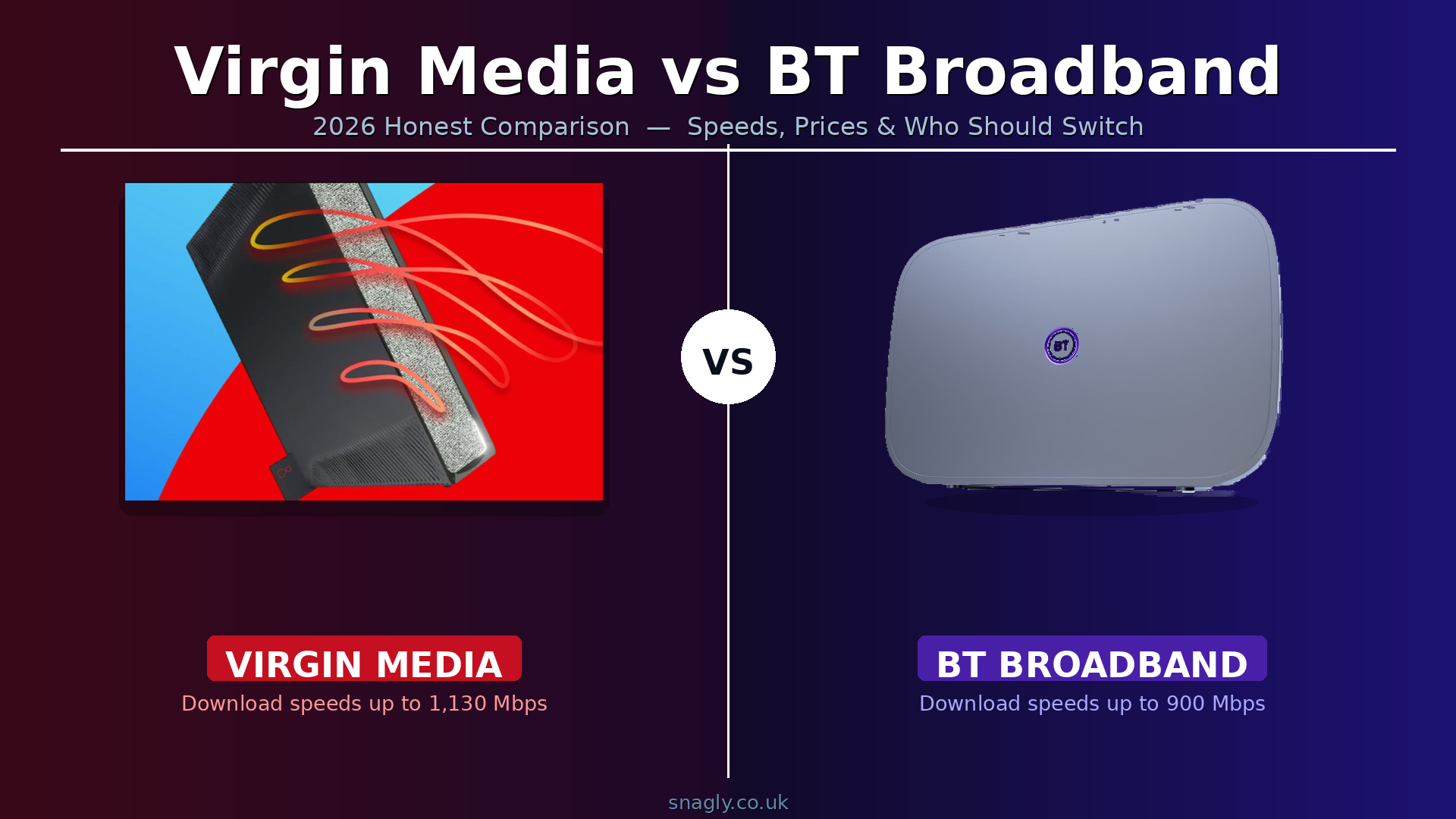
- Fastest speeds: Virgin Media (Gig1 at 1,130 Mbps vs BT’s 900 Mbps)
- Best coverage: BT (available at ~98% of UK homes vs Virgin’s ~52%)
- Better customer service: BT (fewer Ofcom complaints, UK-based support)
- Better router hardware: Virgin Media (Hub 5x with WiFi 6)
- Price rises 2026: Both applied £4/month from April 2026
- Our verdict: BT for reliability and coverage; Virgin Media for speed and value — if it’s available at your address
Table of Contents
I’ve had both on my router at various points in my life, and if I’m honest, neither one is a clear knockout. The Virgin Media vs BT broadband debate is one of those things that depends almost entirely on where you live and what you actually need from your internet connection.
At my last place, I was on Virgin Media’s M500 and it was genuinely quick — no complaints about speeds. Before that, I had BT Full Fibre and it just worked, quietly and reliably, for years without a single wobble. So this isn’t a comparison written by someone who’s only ever read a spec sheet. I’ve actually lived with both.
What I’ll do here is cut through the noise: speeds, pricing, reliability, customer service, and who each one actually suits. By the end you’ll know which of the two is worth your money in 2026 — and whether your postcode even gives you a choice.
What Is Virgin Media vs BT Broadband?
BT is the UK’s biggest broadband provider, with around 9.5 million subscribers. It runs on the Openreach network — the same physical infrastructure used by Sky, Vodafone, EE, and Plusnet. That shared network is both its greatest strength (near-universal coverage) and the reason it sometimes gets unfairly lumped in with cheaper providers using the same pipes. BT’s own packages are meaningfully different from budget Openreach providers thanks to extras like its Smart Hub router, Stay Fast Guarantee, and UK-based customer support.
Virgin Media is the UK’s largest cable broadband provider, serving around 5.74 million subscribers. Crucially, it runs on its own independent hybrid fibre-coaxial (HFC) network — completely separate from Openreach. That independence means it can push faster headline download speeds, but it also means it only covers around 52% of UK homes, mostly in cities and larger towns. If Virgin’s cable hasn’t been laid down your street, you simply can’t have it.
That single fact — coverage — is often where the comparison ends for a lot of people. Check your postcode first. If you have both available, then the rest of this review is what matters.
Virgin Media vs BT Broadband: Plans & Pricing
Virgin Media Plans
BT Broadband Plans
What You Actually Get With Each Provider
Here’s what you’re actually getting with each provider beyond the headline speed number.
BT uses Openreach FTTP (full fibre) or FTTC (part fibre). Virgin Media uses its own HFC cable network — completely independent.
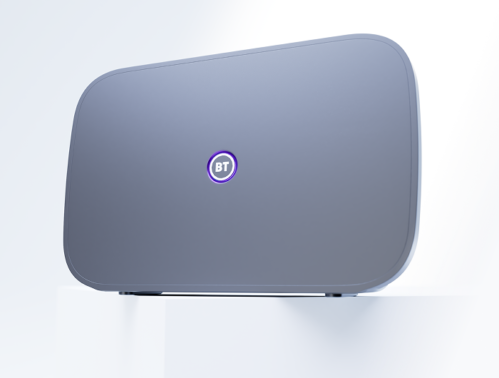
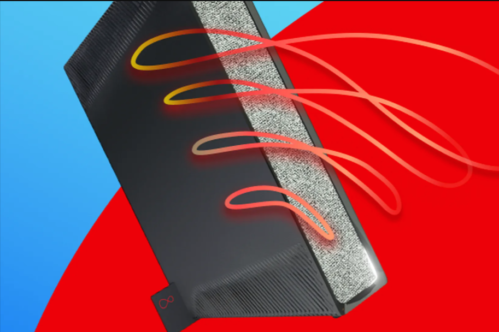
Virgin Media gives you the Hub 5x — WiFi 6, WPA3 security. BT’s Smart Hub 2 uses WiFi 5. Virgin Media’s hardware is a generation ahead.
BT Full Fibre delivers up to 115 Mbps upload on its 900 plan. Virgin Media’s Gig1 tops out at just 52 Mbps upload. Big difference if you video call, stream, or work from home.
BT offers a Stay Fast Guarantee — if speeds drop below the minimum promised, you get £20 back and can exit penalty-free. Virgin Media’s WiFi Max promises 30 Mbps in every room (paid add-on).
BT provides UK-based telephone support. Virgin Media’s support is a more mixed experience — improving, but Ofcom complaints data still favours BT.
BT is a full Ofcom Automatic Compensation Scheme member — you get bill credits automatically for missed engineer visits or outages over two working days. No chasing required.
Virgin Media offers Volt — bundle with O2 and get a free speed upgrade plus O2 Priority perks. BT/EE Halo bundles broadband with EE mobile and includes 4G/5G backup connectivity.
Both offer TV add-ons. Virgin Media TV 360 includes Sky Sports and Sky Cinema options; Sky Atlantic launched on Virgin TV in April 2026. BT TV bundles via EE TV, with Sky Stream available on some packages.
Both offer cheaper deals for customers on certain benefits. BT Home Essentials starts from around £20/month. Virgin Media has an Essential broadband tier for eligible customers.
Both support One Touch Switching for Openreach-based moves. Switching to or from Virgin Media requires a separate process as it’s a different network entirely.
Speed & Network: Where They’re Actually Different
Speed is the headline, but the network architecture is where the real difference lives — and it’s worth understanding before you sign an 18 or 24-month contract.
Virgin Media’s cable network is a shared medium. That means multiple homes on the same street node share available bandwidth. Most of the time that’s fine, but during peak hours — roughly 8–10pm — speeds can dip noticeably in busy areas. It’s not a disaster, but it’s worth knowing. BT’s full fibre (FTTP) runs a dedicated line directly to your home, which means more consistent speeds regardless of what your neighbours are doing.
Upload speed is the other sticking point. Virgin Media’s Gig1 plan maxes out at 52 Mbps upload despite its headline 1,130 Mbps download. BT Full Fibre 900 delivers up to 115 Mbps upload. For most households streaming Netflix and browsing, that doesn’t matter. But if you work from home, do a lot of video calling, upload large files, or run any kind of cloud backup, the upload gap is meaningful.
- 🏆 Fastest download: Virgin Media Gig1 — 1,130 Mbps
- 🏆 Fastest upload: BT Full Fibre 900 — 115 Mbps (vs Virgin’s 52 Mbps)
- 🏆 Most consistent at peak times: BT (FTTP dedicated line)
- 🏆 Top-tier router hardware: Virgin Media Hub 5x (WiFi 6 vs BT’s WiFi 5)
- ⚠️ Virgin Media Gig2 (via Nexfibre FTTP) does offer near-symmetrical speeds — but availability is currently very limited
- ⚠️ BT FTTP is available at around 78% of UK homes; FTTC (part-fibre) at ~98%
Bottom line on speed: if raw download pace is your only metric and Virgin covers your street, it wins. If you care about upload, consistency, or you’re in an area where cable congestion has been an issue, BT full fibre is the better call.
Price Rises & Contract Terms: Read This First
This is the bit comparison sites often gloss over, so I’m not going to.
Both Virgin Media and BT applied a £4/month price rise in April 2026 — the highest of any major UK provider. Sky, by comparison, raised prices by £3/month. That £4/month adds up to an extra £48 a year on top of whatever promotional rate lured you in.
Under Ofcom rules introduced in January 2025, providers can no longer use CPI-linked rises tied to inflation for new contracts. Instead, they must state a fixed pound amount. Both BT and Virgin Media have disclosed £4/month annual rises — so you should budget for this recurring increase when comparing headline prices.
There’s also a contract length difference worth noting. Virgin Media typically operates on 18-month contracts. BT runs on 24-month contracts. Longer lock-in with BT means more exposure to those annual rises, but BT’s Stay Fast Guarantee does give you an exit route if speeds fall below the promised minimum.
- Virgin Media — 18-month standard contract; £4/month annual rise from April each year
- BT — 24-month standard contract; £4/month annual rise (applied 31 March each year)
- Both: if you receive a mid-contract price rise notice, Ofcom rules give you a 30-day window to cancel penalty-free
- BT’s Stay Fast Guarantee: drop below minimum speed = £20 credit + penalty-free exit
- Social tariffs available from both for customers on eligible benefits
Neither provider is going to hand you a deal and leave the price unchanged for two years. Go in with your eyes open.
Coverage, Reliability & Customer Service
Coverage is the most practical consideration for most people. BT is available at around 98% of UK homes via the Openreach network. Even if BT’s own full fibre hasn’t reached you yet, you’ll almost certainly be able to get a part-fibre or standard connection. Virgin Media, by contrast, covers roughly 52% of UK premises — and if your street hasn’t been cabled, that’s simply the end of the conversation.
On reliability, Ofcom’s complaints data has consistently placed BT above Virgin Media. Virgin Media has acknowledged customer service issues and is working to address them, but as of 2026 it still generates more complaints per 100,000 customers than BT. BT’s UK-based telephone support and full membership of the Ofcom Automatic Compensation Scheme are genuine advantages — you don’t have to chase credits for outages or missed engineer appointments, they’re applied automatically.
Virgin Media’s network is technically impressive, but the cable architecture means shared bandwidth and asymmetric speeds are design features, not bugs. If you’re in a densely cabled urban area and mostly download, it will serve you well. If you’re remote, semi-rural, or work from home with heavy upload demands, BT is the safer choice.
Who Is Each One Best For?
Neither provider is universally the right choice. Here’s the honest breakdown.
Virgin Media:
✅ Virgin Media is a good fit if…
- It’s available at your postcode (check first)
- You want the fastest possible download speeds
- You’re a heavy streamer or gamer
- You want WiFi 6 hardware without paying extra
- You’d prefer a shorter 18-month contract
- You want to bundle with O2 mobile for a speed upgrade
- You’re in a household with lots of devices hammering the connection
❌ Virgin Media probably isn’t right if…
- It doesn’t cover your address
- You work from home and need strong upload speeds
- You’re in a dense area where cable congestion is an issue
- Consistent, predictable speeds matter more than headline numbers
- You’ve had bad experiences with their customer service before
- You’re outside a major town or city
BT:
✅ BT is a good fit if…
- You want near-universal coverage including rural or semi-rural areas
- You work from home and need reliable upload speeds
- Consistent performance at peak times matters to you
- You want strong customer service and UK-based support
- Automatic compensation for outages appeals to you
- You’d like 4G/5G backup via EE Halo
- Virgin Media simply isn’t available where you live
❌ BT probably isn’t right if…
- You’re on a tight budget — Virgin is cheaper at most speed tiers
- You want the absolute fastest download speeds
- You’d prefer a shorter contract than 24 months
- You want the latest router hardware without paying extra
- You’re only on BT because Virgin isn’t available — consider Sky or Vodafone too
Summary verdict:
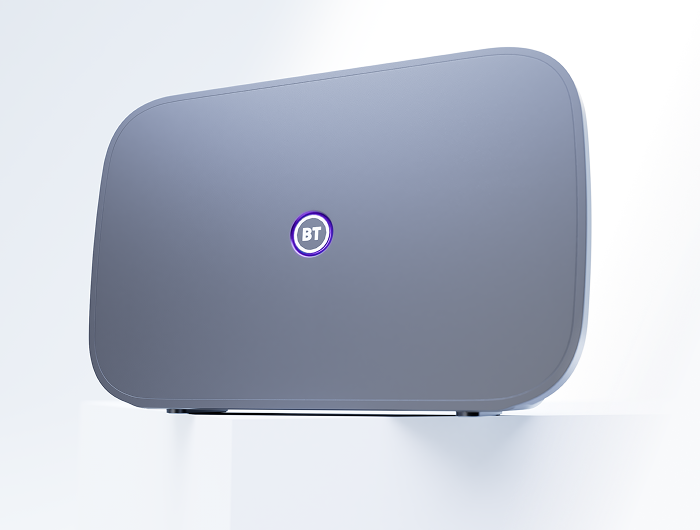
The safe, reliable all-rounder — stronger customer service, near-universal coverage, and better upload speeds, but you’ll pay a premium for it.
Summary verdict:
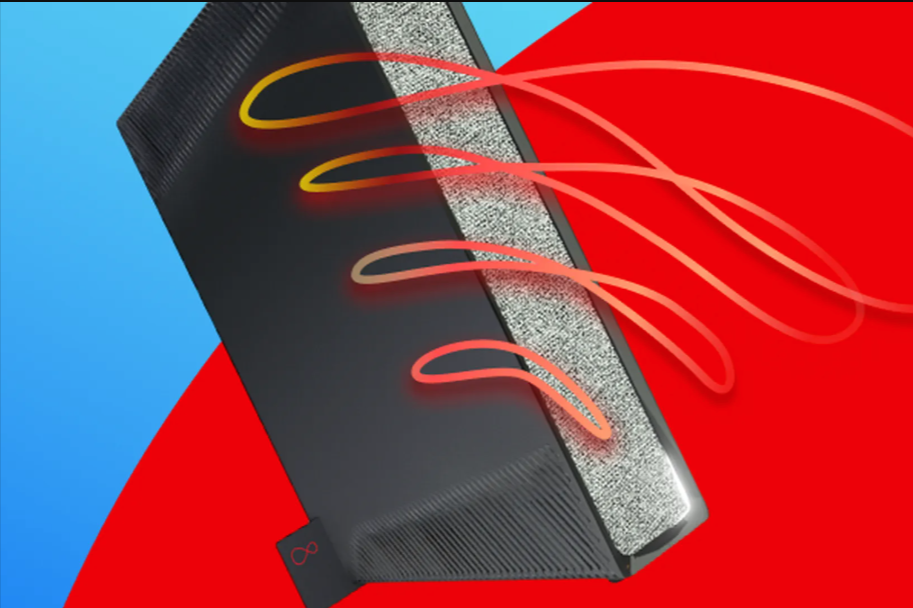
The speed king if it’s available at your address — but patchy customer service and weak upload speeds hold it back.
If Virgin Media covers your postcode and you just want fast downloads, go for it — you’ll save money and get quicker speeds. If you work from home, live outside a major city, or just want broadband that works reliably without the faff, BT is worth the extra cost.
FAQ
Is Virgin Media faster than BT broadband?
Yes, on raw download speed Virgin Media edges ahead. Its Gig1 plan tops out at around 1,130 Mbps versus BT’s Full Fibre 900 at 900 Mbps.
Is BT broadband more expensive than Virgin Media?
Generally, yes. BT tends to cost more per month at comparable speed tiers. Virgin Media’s M250 (264 Mbps) comes in cheaper than BT’s equivalent Full Fibre 300 plan. That said, both providers applied a £4/month price rise in April 2026, so neither is standing still on price.
Which has better customer service — BT or Virgin Media?
BT. Ofcom complaints data consistently shows BT receives fewer complaints per 100,000 customers than Virgin Media. BT also offers UK-based telephone support and is a full member of Ofcom’s Automatic Compensation Scheme. Virgin Media has been working to improve, but customer service remains its weakest point.
Does Virgin Media cover my area?
Virgin Media runs its own cable network which covers roughly 52% of UK homes — mostly in cities and larger towns. BT uses the Openreach network and is available at around 98% of UK premises. Always check Virgin Media’s postcode checker before assuming it’s available at your address.
Which is better for home working — BT or Virgin Media?
BT Full Fibre is generally better for home working, primarily because of its symmetrical (or near-symmetrical) upload speeds and more consistent performance at peak times. Virgin Media’s cable network can suffer congestion during evening peak hours, and its upload speeds are considerably lower, which matters if you’re on video calls or uploading large files.
Can I get TV with both Virgin Media and BT broadband?
Yes. Virgin Media TV 360 bundles include Sky Sports and Sky Cinema add-ons. BT offers TV bundles via EE TV, and Sky Stream is available on some packages. Sky Atlantic launched on Virgin TV in April 2026. If sport is your priority, Virgin Media’s TV bundles are generally seen as stronger.
📚 More From Snagly
📡 Broadband & Connectivity Reviews
📱 Mobile & SIM Reviews
🎧 Tech Reviews
📋 Best Picks & Guides